01
Survey snapshots miss the real story
When feedback arrives as periodic reports, teams only see lagging summaries after churn signals have already spread through live conversations.
Quality automation and coaching
Customer sentiment and feedback
Monitoring and visibility layer
Voice of Customer software
Oversai turns Voice of Customer into a live operating system. Unify calls, chats, tickets, surveys, and CRM notes, detect risk in near real time, and move the right action back to the right team.
What teams get
conversation coverage
signal detection
across every feedback source
Why survey-era VoC breaks
The problem is not a lack of data. It is fragmented evidence, delayed visibility, and no shared action model once the signal appears.
When feedback arrives as periodic reports, teams only see lagging summaries after churn signals have already spread through live conversations.
Support has tickets, CX has surveys, product has notes, and marketing has reviews. Nobody shares the same operating picture of the customer.
Traditional VoC tools collect insight but leave the hard part untouched: explaining what changed, why it matters, and who needs to act next.
How it works
Oversai gives Voice of Customer a stronger operating shape: listen continuously, detect change early, and route action back into the business.
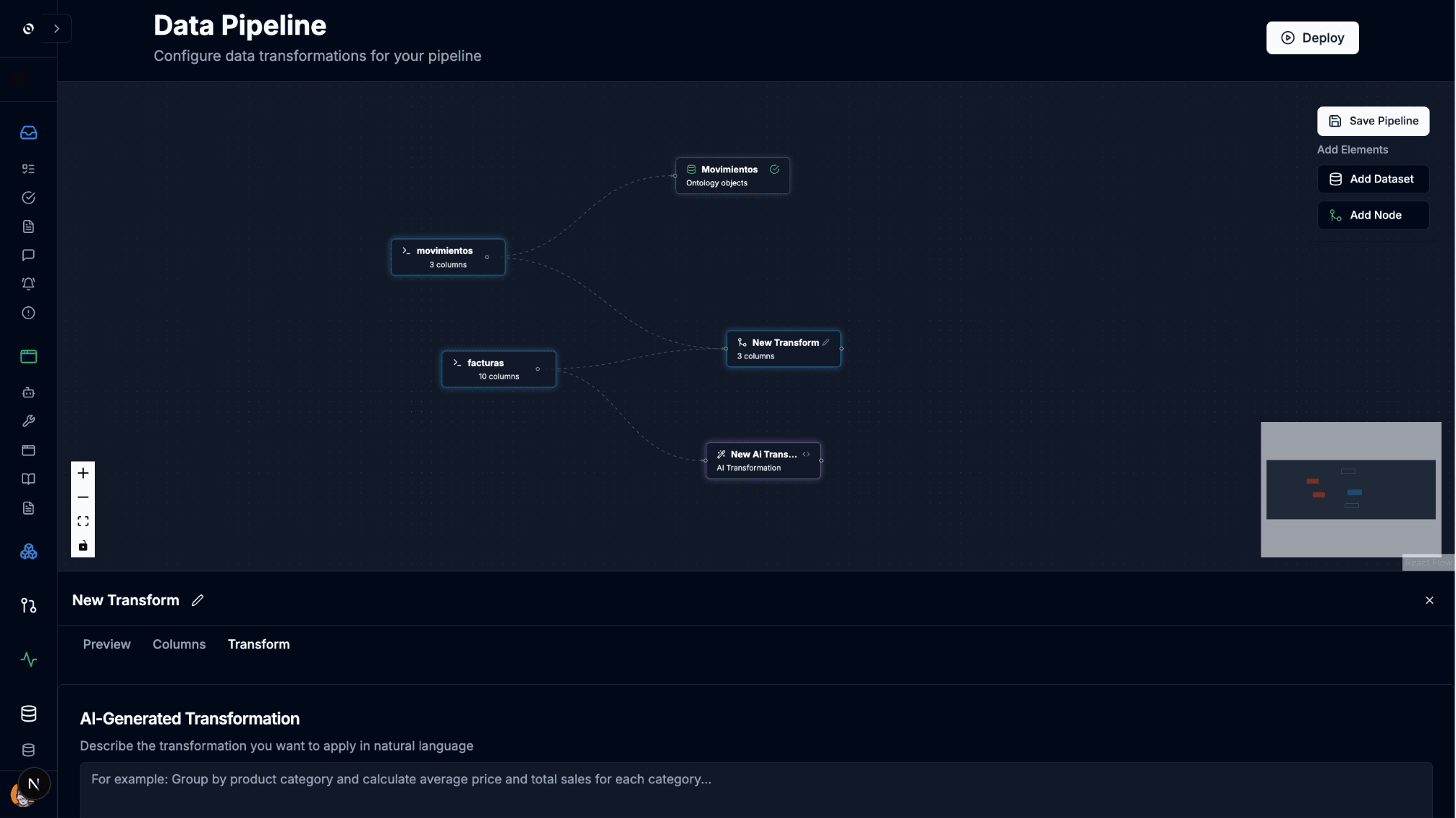
Calls, chats, tickets, surveys, reviews, and CRM notes flow into one Voice of Customer model so teams stop working from disconnected evidence.
From scattered touchpoints to one operating picture.
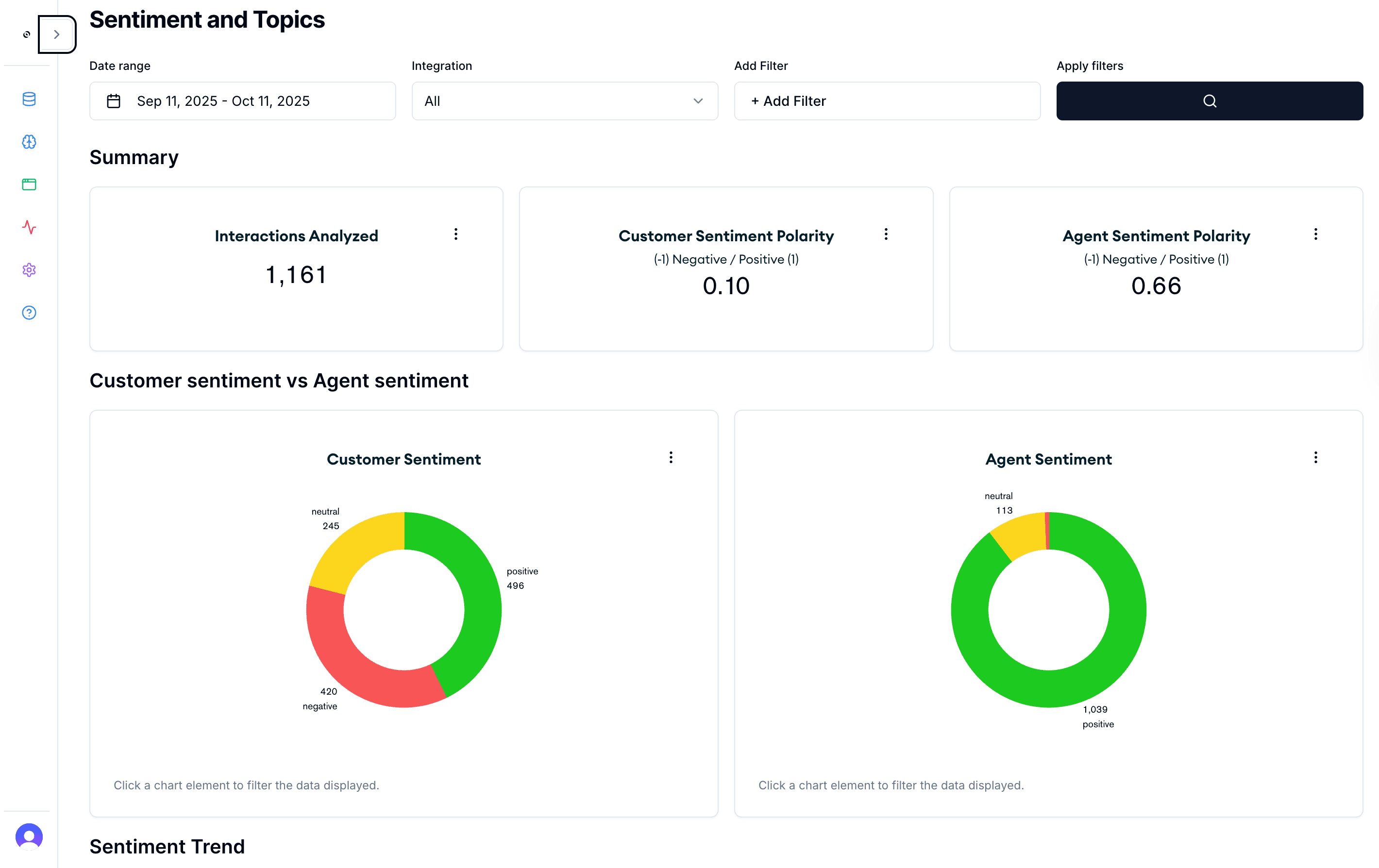
Oversai monitors issue spikes, sentiment drops, unresolved friction, and risky language in near real time so teams can intervene before a KPI report catches up.
Signal detection before the damage compounds.
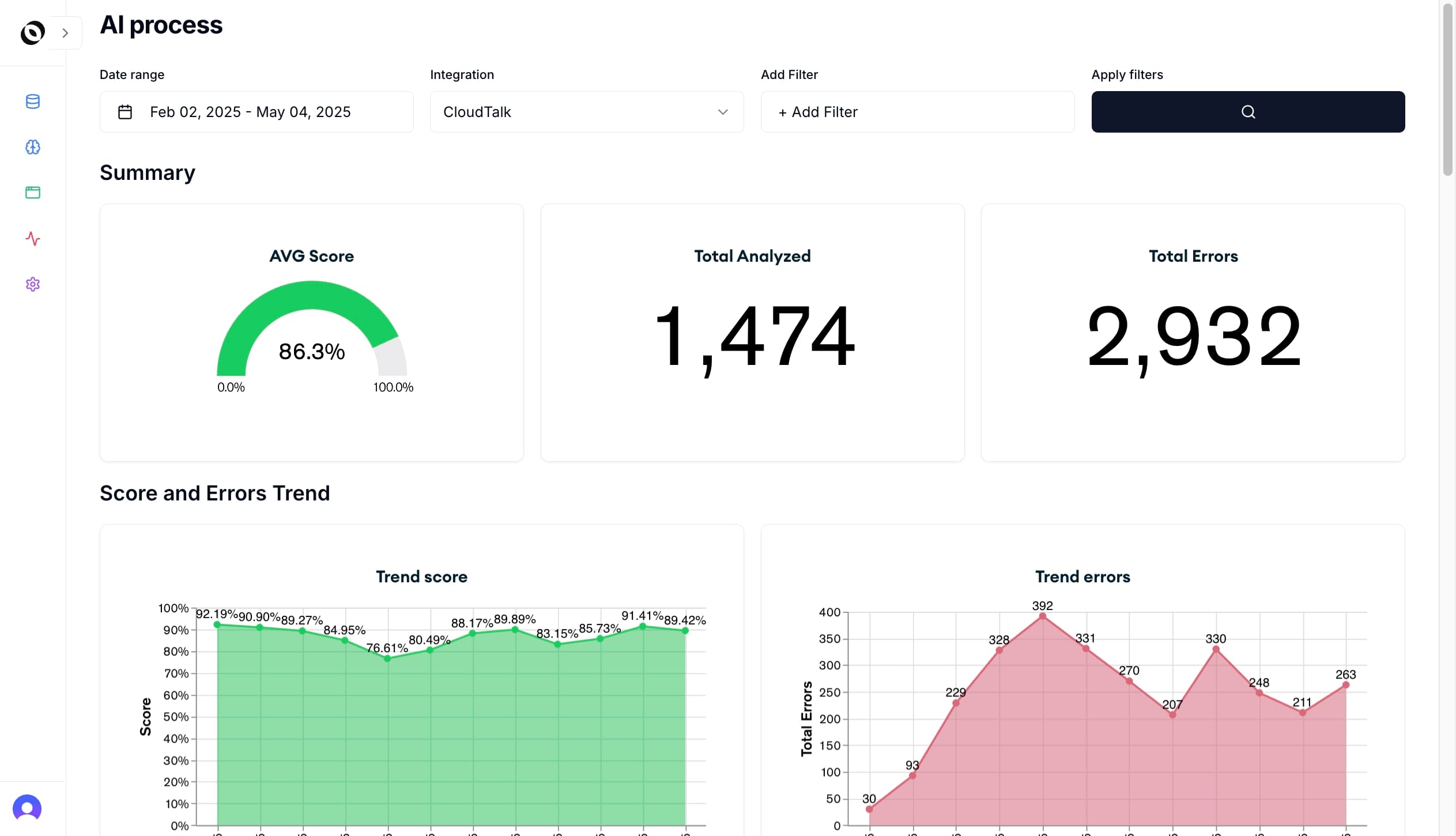
Ask plain-language questions, inspect concrete examples, and route the next move to CX, product, or retention instead of leaving teams in reporting mode.
A signal room built for action, not passive reporting.
Oversai is AI-native Voice of Customer software for CX teams that need more than survey snapshots. It unifies calls, chats, tickets, CRM notes, and feedback channels in one model so teams can detect churn risk, explain root causes, and push action back into operations faster.
What strong VoC software should do
Strong VoC platforms help teams listen continuously, explain movement in the customer signal, and route actions back to the owners who can fix it.
Always-on
Strong VoC software listens continuously to the interactions customers are already having, not just the subset who answer a form.
Explainable
Teams need issue clusters, examples, and root-cause context that explain movement in sentiment, churn risk, or operational load.
Operational
The point of Voice of Customer is not a prettier dashboard. It is moving insight back into product, CX, retention, and frontline operations.
VoC Strategy
A practical playbook for unifying customer signals, understanding root causes, and turning Voice of Customer into real retention action.
A modern VoC platform should stay always on across calls, chats, surveys, tickets, and CRM notes, then translate those signals into clear operational actions for the right team.
Oversai surfaces churn language, sentiment drops, and issue spikes as they happen, so teams can investigate root causes and intervene before problems spread across the customer base.
When voice, chat, ticket, and survey data live in one model, support, product, retention, and operations teams stop arguing over fragmented reports and move faster on the same truth.
Oversai is a full Voice of Customer software platform. It covers unified ingestion, near real-time monitoring, root-cause investigation, and action routing instead of limiting teams to passive dashboards.
No. Support teams use it for service quality and sentiment, product teams use it to identify recurring friction, and retention teams use it to catch preventable cancellations earlier.
One signal, four operating lanes
Oversai works best when the signal is shared but the response is role-specific. That is how CX, product, retention, and operations move faster together.
CX leaders
See the issue mix changing in real time and align the operating response before support volume compounds.
Product teams
Watch recurring friction emerge from live conversations instead of waiting for quarterly synthesis work.
Retention teams
Catch cancellation drivers and churn language early enough to intervene with targeted outreach.
Operations
Connect the Voice of Customer to staffing, QA, automation, and workflow changes that reduce recurring pain.
Native integrations
Connect Oversai to your existing customer service stack so the Voice of Customer program lives in the workflow instead of becoming another isolated reporting layer.

Salesforce
QA + VoC

HubSpot
QA + VoC

Zendesk
QA + VoC

Freshdesk
QA + VoC
Freshsales
QA + VoC

Gorgias
QA + VoC

Intercom
QA + VoC

Helpshift
QA + VoC

Kustomer
QA + VoC

Gladly
QA + VoC

Dialpad
QA + VoC

Aircall
QA + VoC
Don't see your platform? Contact us to discuss integration options.
Buyer paths
These pages capture adjacent buying intent without competing with the main VoC software page.
A commercial page for service teams evaluating VoC software around support operations, issue discovery, and resolution speed.
Explore service buyersA broader comparison page for CX organizations choosing between Voice of Customer platforms and operating models.
Explore CX buyersPages for buyers replacing legacy Voice of Customer vendors and comparing Oversai against survey-era software.
Compare alternativesDefinition
How AI-native Voice of Customer differs from survey-era VoC and why it changes how teams operate.
Comparison
A ranked look at modern platforms across coverage, accuracy, and real-time capability.
Buyer guide
Ten vendor questions, a scoring matrix, red flags, and a 30-day pilot plan.
Make Voice of Customer operational
See how Oversai helps your team detect risk earlier, align faster, and operate from one customer truth across support, product, and retention.