Native AI Call Center Platform: Why 2026 Is the Tipping Point
For years, most call center software followed the same model: voice infrastructure first, workflow automation second, and AI as an add-on. That model is now breaking.
In 2026, operators are moving toward the native AI call center platform model: architecture where AI is the operating layer, not a plugin.
What changed
Three market forces are converging:
- Customers expect instant resolution, not queue navigation.
- Operations teams need lower unit costs across every interaction.
- Legacy stacks are too fragmented to execute end-to-end workflows in real time.
When teams run voice, messaging, QA, and analytics in disconnected products, they lose context and speed. AI-native platforms solve this by connecting interaction handling to operational systems directly.
Native AI vs legacy CCaaS
Legacy platforms often excel at routing and telephony, but require multiple layers to deliver full automation.
AI-native contact center platforms are built to:
- Resolve tasks, not just route conversations
- Use live business context from CRM, order systems, and helpdesk tools
- Run QA and AutoQA continuously
- Unify VoC insights with workflow outcomes
- Keep human agents in the loop for exceptions and complexity
Why this matters for call center software buyers
When evaluating modern call center software, teams are no longer just buying seats and channels. They are buying execution capability:
- Can the platform close cases end-to-end?
- Can it automate order, billing, and refund workflows?
- Can it monitor quality and customer sentiment at scale?
- Can AI and human agents collaborate in one operating model?
These questions are now central to platform selection.
Oversai approach
At Oversai, this is exactly how we built our solution:
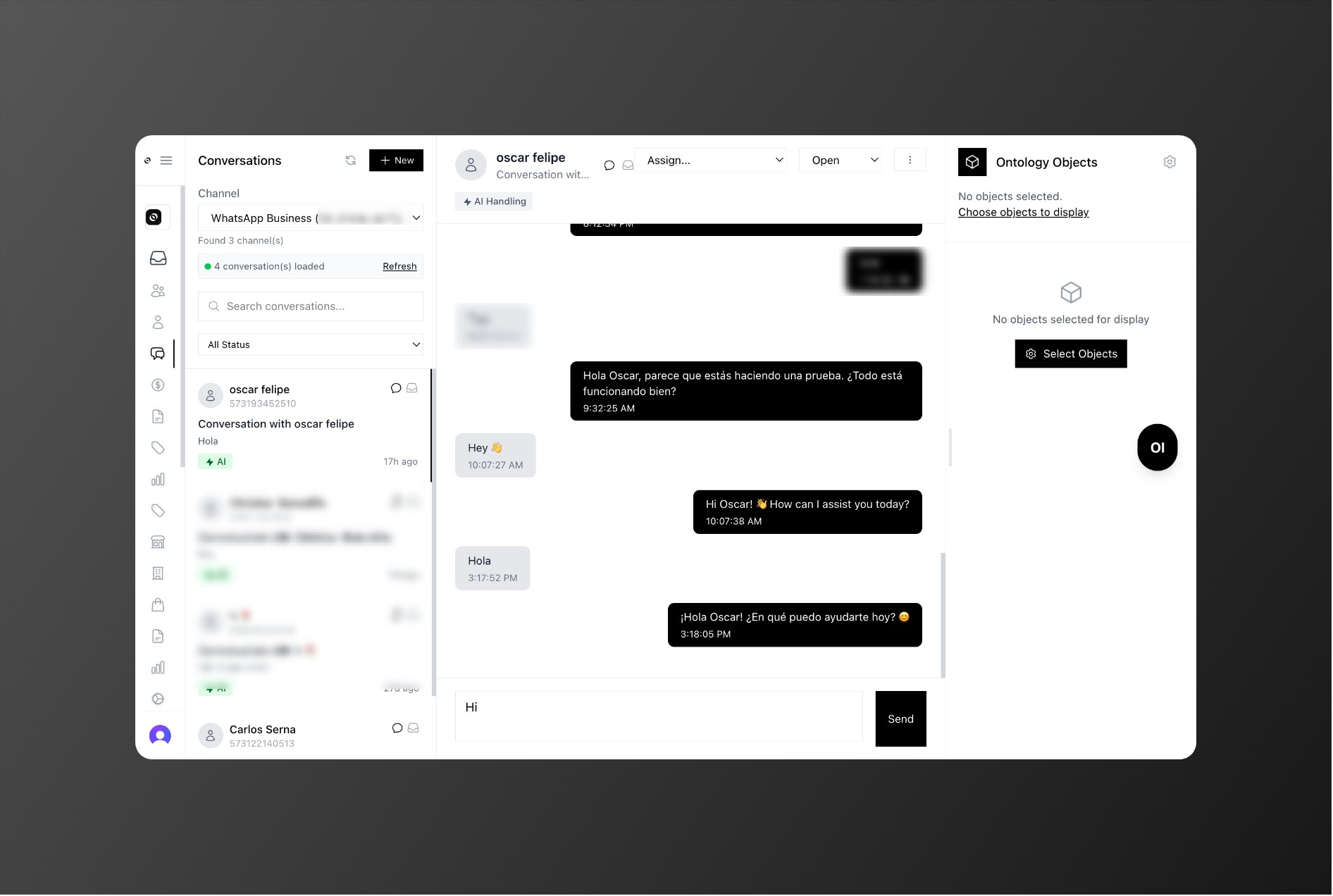
- Contact Center Software for AI-first execution
- Omnichannel for unified customer context
- Built-in QA, AutoQA, and VoC capabilities
- Integrated workflows that act across systems, not just conversations
The bottom line
The category is evolving from "call handling software" to AI-native contact center execution platforms. Teams that adopt this model move faster, reduce operational friction, and deliver better outcomes across support, retention, and revenue.
If you are evaluating options, start with an alternatives benchmark: Contact center and QA alternatives.